

Top 35 Reasons For A Safari To Kenya
Top 35 Reasons For a Safari to Kenya – Well dubbed that the concept of the safari holiday experience started in Kenya. This could be true remembering that even the word ‘safari’ itself even stems from the Swahili dialect for ‘journey’ that is well known from the East African Coast.
With all these in mind, Kenya custom luxury safari holidays are no traditional journeys, with wildlife roaming its open plains of grasslands, scale up the majestic snow-capped mountains, indulge yourself in nature contrasts with absolute luxury and adventure combines all too well with a relaxing stay in the beach, wilderness or with a host community.
The combination of diverse culture, wildlife, natural beauty, and value for money has seen Kenya shine spectacularly as one of the best-known safari holiday destinations not only in Africa but also in the world.
The most revered of Africa’s safari destinations, Kenya is Located in East Africa, Kenya is the most revered of Africa’s destinations and boasts the Masai Mara National Reserve. The Mara is arguably renowned for its abundant wildlife throughout the year and phenomenal annual Great Migration that brings the world at its feet during the months of July and October.
Unlike its competing destinations, Kenya brims with charm, romance, adrenaline and adventure. To the best of our knowledge, nothing defines better the old age of vacation like the classic safari fashion of Kenya.
A safari in Kenya isn’t only about the spectacular natural beauty in one of the most unspoiled places on earth, but it also brings you up close and personal with Africa’s most sought-after big and small game alike alongside its warm and ever-welcoming tribes.
At Oluokos Signature, we ensure that your experience is a blend of both luxury accommodation, the finesse of our destinations and the collective expertise of our team. Be it a family holiday, special romantic honeymoon or a special interest safari that’s the magnet to Africa, we are confident that you will enjoy the timeless magical Kenya.
1. The Greatest Wildlife Migration on Earth
From mid-July to October, more than a million ildebeest migrate from the plains of Serengeti National Park in the neighboring Tanzania to Kenya’s compact Masai Mara. On the migration trail, hundreds of thousands of Thompson’s Gazelle, Burchell’s Zebra and Eland accompany the Wildebeest. When the timing is perfect, nothing comes close to comparison from witnessing the happening in person the mass movement of animals, lumbering, strutting and swaying in one of the great wonders of the natural world. The wildebeest migration is one of the world’s greatest natural spectacles
2. The Best Big 5 Spotting
Kenya is easily one of Africa’s greatest wildlife watching destinations, home as it is to the Big Five (African Lion, African Elephant, Cape Buffalo, African Leopard, and White/Black rhinos). You will also be on a responsible safari where the host communities benefit both directly and indirectly from our sustainable tourism programs
3. The Out of Africa Experience
Perhaps the greatest single influence on the country’s tourism was the Danish writer Karen Blixen, whose book Out of Africa was made into an award-winning film. This has contributed to an entire generation to yearn for Kenya not only as tourists but as residents and some are now even Kenyan citizens. Both begin with the words, ‘I had a farm in Africa, at the foot of the Ngong Hills’. Oluokos Signature will help you to arrange for a visit to this house in the Karen district of Nairobi, where it has been turned into a museum.
Also, while in Karen, why not stroke a giraffe at the African Fund for Endangered Wildlife Giraffe Centre or cuddle a baby elephant at The David Sheldrick Wildlife Trust’s Elephant Orphanage? All these are possibilities if your time permits.
4. Gedi Ruins
Located north of Watamu, on the silver-blue Swahili coastline, are the remains of the 13th century town of Gedi, which was allegedly deserted by its occupants at the approach of cannibals. Now it is a picturesque ruin with crumbling streets, market places, palaces and mosques, all buried in the dense coastal forest, where silky-cloaked colobus monkeys preen with curiosity. Not far away from the entrance to Gedi is Kipepeo, a butterfly farm where you can witness the entire cycle of a butterfly’s life.
5. Discover the Magical Lake Bogoria
To appreciate the power of the volcanic activities that formed the Great Rift Valley you need to visit Lake Bogoria National Reserve. This is the most dramatic yet least-visited of the Great Rift lakes; Bogoria is a long thin ribbon of pewter-blue water, often candy-frosted with flamingos when the conditions are right. Around its shores, over 200 boiling geysers spew jets of water high into air that reeks of sulphur. Add to this the bizarre spectacle of visitors boiling eggs in the bubbling rock pools and fishing them out with long sticks, and you have a vision from an insanely beautiful hell right here in Kenya.
You could also take a picnic at the late President Mzee Jomo Kenyatta’s campsite, Fig Tree, which is situated 3 km from Emsos Gate.
6. Explore Western Kenya
This is an entirely different side of Kenya and that is not well known by many safari operators. Western Kenya is famous for its green quilt of tea bushes that blankets the landscape and rolls down almost to the plains of the Kavirondo. On these plains, sugarcane growing is interspersed with rice and other crops that continue to the shores of the world’s second largest water body, Lake Victoria. Take a sip of your special tea here, you’ll never regard this delicious drink in quite the same light again anywhere else.
7. Elephants of Mount Elgon
High in the mist-wreathed hills of Western Kenya, stands Mount Elgon. This is Kenya’s second highest peak only after Mount Kenya yet again, now often visited. This is a towering volcanic giant, honeycombed by bat-filled, labyrinthine caverns where the world-famous ‘troglodyte’ elephants come to mine for salt. A place of wild moorland, dense forests and stark basalt cliffs, this is about as far off the beaten track as you can get. It’s ideal for a gentle stroll or strenuous trek alike. While on Mount Elgon, an exploration of the Kitum cave, the most famous of them all would be recommended.
8. The Big Cats’ Specialities
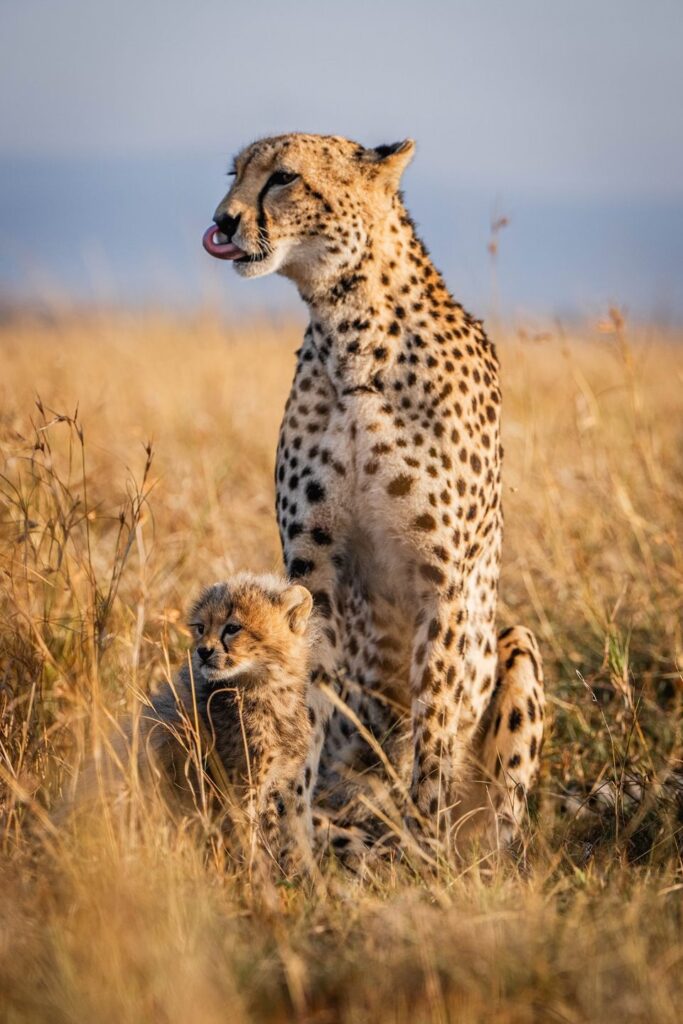
The Maasai Mara remains to be one of the best places in Africa to encounter big cats. Quietly, Cheetahs and Lions roam the plains, waiting for the wandering game while on the other hand, the leopard has mastered its posing skills in the riverside fig trees waiting to pounce with accuracy to the unnoticing prey under the tree. The Masai Mara cats and other wildlife are so associated with the BBC’s Big Cat Diary TV series and this has helped in positioning Kenya in nature-based tourism.
9. The Beach and Bush Safari Experience
Thanks to Kenya’s geography that offers the ultimate combination of both fauna-and-flora spotting odyssey in its dozens spectacular national parks, game reserves and conservancies. It’s very much in style to flop on white sand Indian Ocean beaches. Oluokos Signature recommends a 14-day safari-and-beach itinerary, with the first stop being in the Masai Mara, home to the black rhino, as well as elephant, cheetah, lion, and leopard. We combine this with Amboseli National Park before flying to the beach hotel for a couple of days of relaxation.
10. Amazing Birdlife Even for the Avid Birders
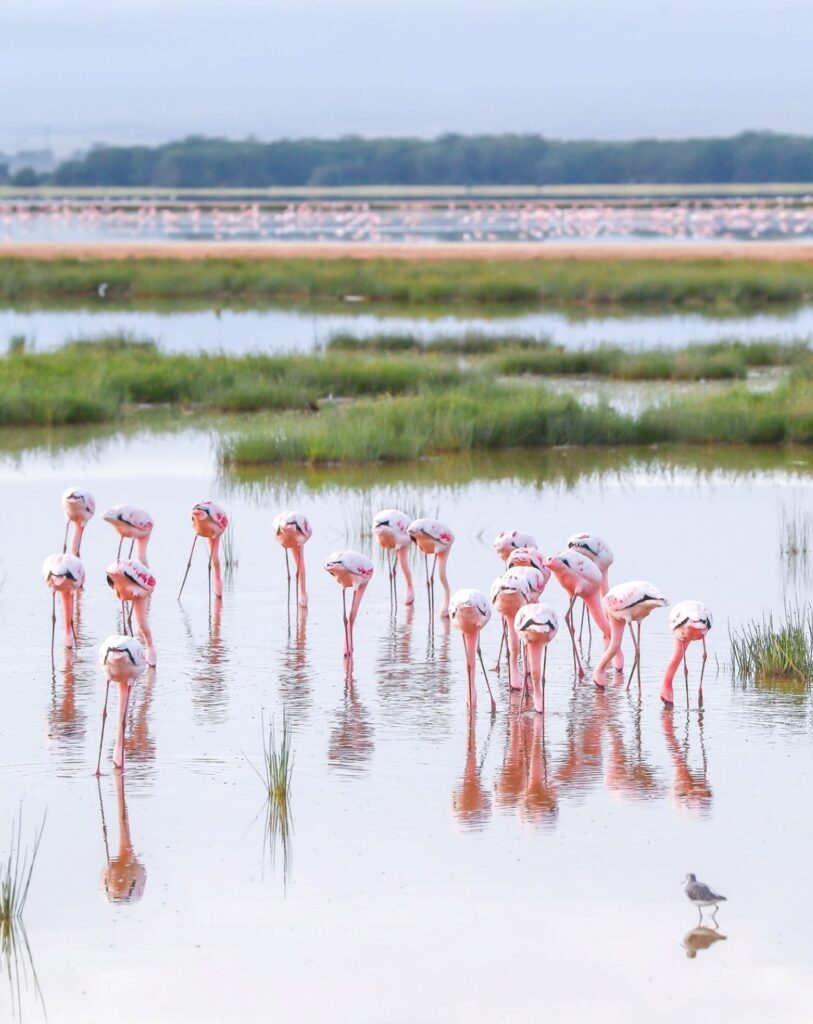
With over 1,070 recorded bird species, Kenya is a birders’ magnet. From the flamboyant conglomeration of pink flamingos whose massing makes for surreal photographs. They have been driven from Lake Nakuru in the past half-decade because of industrialization and rising water levels, and many have moved to Lake Bogoria, Lake Magadi and other alkaline lakes within the region. Apart from matchstick-legged birds that can be seen feeding on the algae that gives them their candy floss hue, Kenya birds range from the small but unmissable finches to the bulk Turaco song master of the tree tops, the elegant Secretary bird that catwalks the plains and the bold Ostrich that poses with ease for photography. Also visit Lake Naivasha, home to Golden-winged Sunbirds, and Superb Starlings. Further to Lake Victoria, home to African Fish Eagles and numerous specialties in the swamps, you can stretch it further to the new birding frontiers of the Aderema and Katotoi Hills where some of the most sought-after birds can be found. From here find your way back through Kenya’s only rainforest, Kakamega where birding is your ordinary cup of tea – Oluokos Signature runs small group bird watching tours.
11. Fort Jesus
Bone-grey, red-stained and exuding blind-eyed malevolence from its ruined battlements, the 16th century Fort Jesus, located in the city of Mombasa, encapsulates the bloody history of the Swahili Coast. The Portuguese built the fort that dominates the city and now offers day trips. You can visit the museum and, in the evening, a son et lumière show, followed by a Portuguese-style dinner under the stars. To make your evening enjoyable, you could complement it by boarding the Tamarind dhow for dinner and dancing experience. It sails up to the fort and back to Nyali Bridge.
12. Lake Nakuru
Many good years back before the lake lost its alkalinity level, Lake Nakuru’s shoreline was a nature’s magnet. Standing just a few meters away would connect you with a shifting mass of several thousand jostling, dipping, sifting, honking lesser and greater flamingos, and you notice how pink these elegant birds are. Lake Nakuru is also Kenya’s leading rhino and Rothschild’s Giraffe breeding sanctuary. This is the only park where it’s almost impossible not to miss seeing a rhino (black or white), as well as being a good place to spot the elusive leopard.
13. Sleeping Under the Stars
Kenya’s profound wildlife is second-to-none, the stargazing experience is definitely worth mentioning. On a clear night, the stars in the sky are crystal-clear and quite often constellations can be seen. It is said that a naked eye can see up to 2000-3000 stars at a time when you gaze into the sky. In remote parts of Kenya, with no city lights or pollution nearby, it may feel like you can see almost double that amount. In Kenya, there are several ways you can sleep under the stars. Some luxury camps and lodges have ‘sleep out’ facilities. These can be areas of the camp or lodge that allow you to sleep under the stars, such as a balcony or private cliff side. There is also an option to do fly camping. This term, regularly used in the safari industry, is a unique experience where you sleep in the wilderness under a mosquito net alone. Here are a few of the best places to sleep under the stars in Sleeping Under the Stars in Kenya.
14. Archeology, Travel Back in Time
Olorgesailie site near Lake Magai is almost exactly as it was 1.2 million years ago, give or take the odd tyrannosaurus rex. Kenya’s answer to Jurassic Park, this prehistoric site is where our earliest ancestor Homo erectus once hunted for giant pigs, hairy mammoths and gigantic baboons. Olorgesailie is still a great place for a fascinating hike, as a complex series of walkways leads up to and over the piles of axes and bones. The heat of the day can be draining, so be sure to set out in the early morning or late afternoon and have enough drinking water or other sources of the much precious fluids.
15. Luxury Kenya Flying Safaris
Take to the skies for a bird’s-eye view of the traditional safari. Look down on a lion kill from the basket of your hot-air balloon, set out on a helicopter safari around Laikipia, the Chalbi Desert or the Matthews Range, or fly around the snowy peaks of Mount by Kenya in an executive jet or a helicopter. It’s also possible to extend flight safaris to many other national parks and game reserves in Kenya. Here are some of the destinations; Masai Mara National Reserve, Ruma National Park through Kabunde Airstrip, Amboseli National Park, Samburu National Reserve, Kenya’s coast, Tsavo East and West National Parks, Chyulu Hills, Taita Hills, and Lodwar. There are also Masai Mara to Entebbe flights via the lakeside city of Kenya, Kisumu operated by Air Kenya. Alongside flying, and for those who’d like to add some spice to their flight, there are hang-gliding, paragliding, microlight flying and kitesurfing.
16. Climb Mount Kenya
Less well-understood than its Tanzanian twin-sister, Mount Kilimanjaro, and considered a more challenging climb among mountaineers, Mount Kenya sits in its own national park, amid endemic fauna and flora. The highest of three peaks rises to 5,199m, although this requires a technical climb. Even the lowest of its three summits, though, offers astounding panoramas over the plains and savannah below, and as you ascend through the foothills you may spot elephant, black Rhino, Cape Buffalo, Colobus monkey, antelopes and the Giant Forest Hog, Bongo and much more.
17. Safari Rally
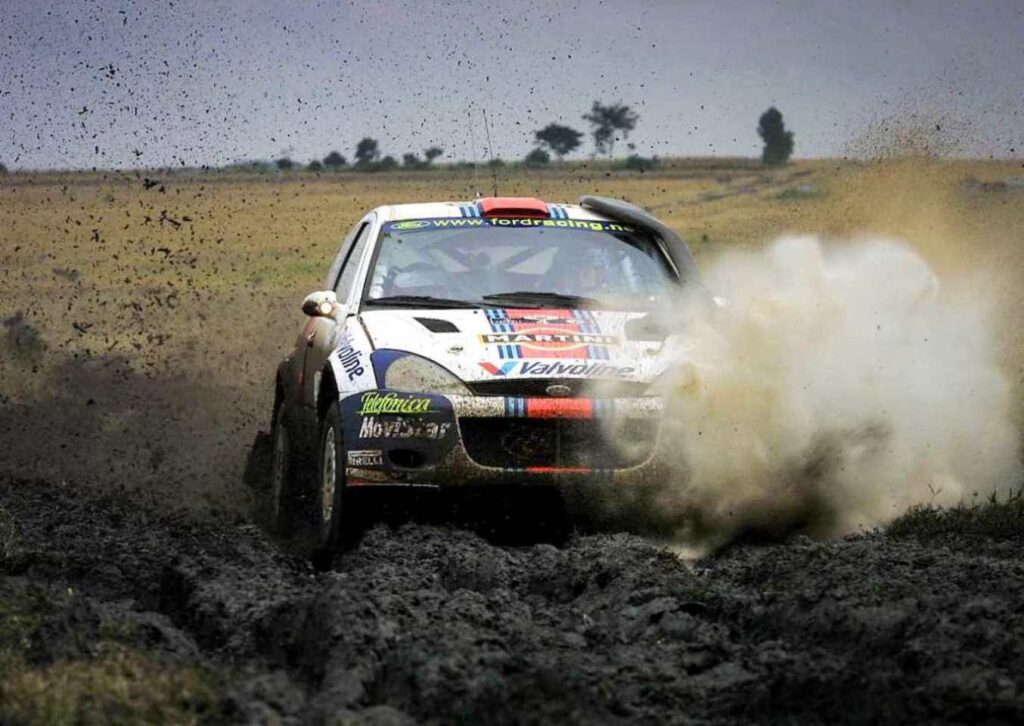
The rally, dubbed ‘The Greatest Show on Earth’ was the toughest, roughest and most publicised rally in the world. A single-stage in the event was like a whole race in the European circuit with drivers initially traversing most of East Africa and then Kenya.
Every year, for three days, usually in June, some of the world’s finest rally drivers converge on Kenya to face the multiple challenges of dust, mud, fatigue and diabolical roads in one of the world’s greatest motoring events: the Safari Rally. Along with the rally crews come top mechanics, team managers, journalists, photographers and ordinary rally fans who cannot resist the event’s magic.
It was first held from 27 May to 1 June 1953 as the East African Coronation Safari in Kenya, Uganda and Tanzania, as a celebration of the coronation of Queen Elizabeth II. In 1960 it was renamed the East African Safari Rally and kept that name until 1974, when it became the Safari Rally. From 1973, the rally was part of the World Rally Championship.
The 5,000 kilometers route featured a variety of roads and terrain – from fesh fesh (very fine powdered sand), fast farm tracks, and very rough roads up or down the Great Rift Valley. In heavy rain, roads would often turn into thick, deep mud. The event was run on open roads, with all of the route being competitive mileage. The driver with the lowest accumulation of penalty time between time controls was declared the winner.
The rally, dubbed ‘The Greatest Show on Earth’ was the toughest, roughest and most publicised rally in the world. A single-stage in the event was like a whole race in the European circuit with drivers initially traversing most of East Africa and then Kenya.
Every year, for three days, usually between March and June, some of the world’s finest rally drivers converge on Kenya to face the multiple challenges of dust, mud, fatigue and diabolical roads in one of the world’s greatest motoring events: the Safari Rally. Along with the rally crews come top mechanics, team managers, journalists, photographers and ordinary rally watchers who cannot resist the event’s magic.
18. Hells Gate National Park
This is Kenya’s only national park in which you can hire and ride a mountain bike. Hell’s Gate, is cleft deep into the floor of the Great Rift Valley, it offers a volcanic landscape of tortured basalt cliffs, volcanic rock towers, sultry steaming vents and belching plumes of steam. Hell’s Gate also offers the opportunity to walk through the park, which is the largest geothermal field in the world and of course in the presence of wildlife and birds the notable ones being vultures high on the cliffs.
If you happen to be around Lake Naivasha for long enough, don’t miss to make an appointment with Elsamere Conservation Center, the former home of Joy Adamson of Born Free fame, which is now an animal refuge offering educational tours and homemade English high teas.
19. Home to Queen’s Favorite Hotel
Founded in 1932, Treetops is Kenya’s oldest safari lodge. She was deep in the Kenyan forest spotting wildlife from the treetops with her camera when her father, King George VI, died on Feb. 6, 1952, at Sandringham prompting her ascendency to the throne. “For the first time in the history of the world,” wrote big-game hunter Jim Corbett in the Treetops logbook, “a young girl climbed into the tree as a princess and climbed down as a queen.” Let this history not pass you. A photo of the original Kenyan treehouse-style lodge where then-Princess Elizabeth II was staying the night she became queen.
20. A Splash With the Sitatunga
Saiwa Swamp is Kenya’s smallest national park. The three-square-kilometer has none of the usual pop-up-top safari vehicles and a long queue of tour vans in hot pursuit of the Big 5. In fact, it has no cars at all and for your enjoyment it just has sun-dappled woodland paths that wind through its lush wetlands, alive with birds, dragonflies, butterflies, and monkeys. It is also one of the last-known sanctuaries of the semi-aquatic Sitatunga antelope, which dances across the water on its specially splayed feet. The best time to see the Sitatunga is at dawn, so if you can’t make it early to the park, consider an overnight stay in one of the park’s tree houses to catch them unawares.
21. Kenya’s Pretty Mementoes
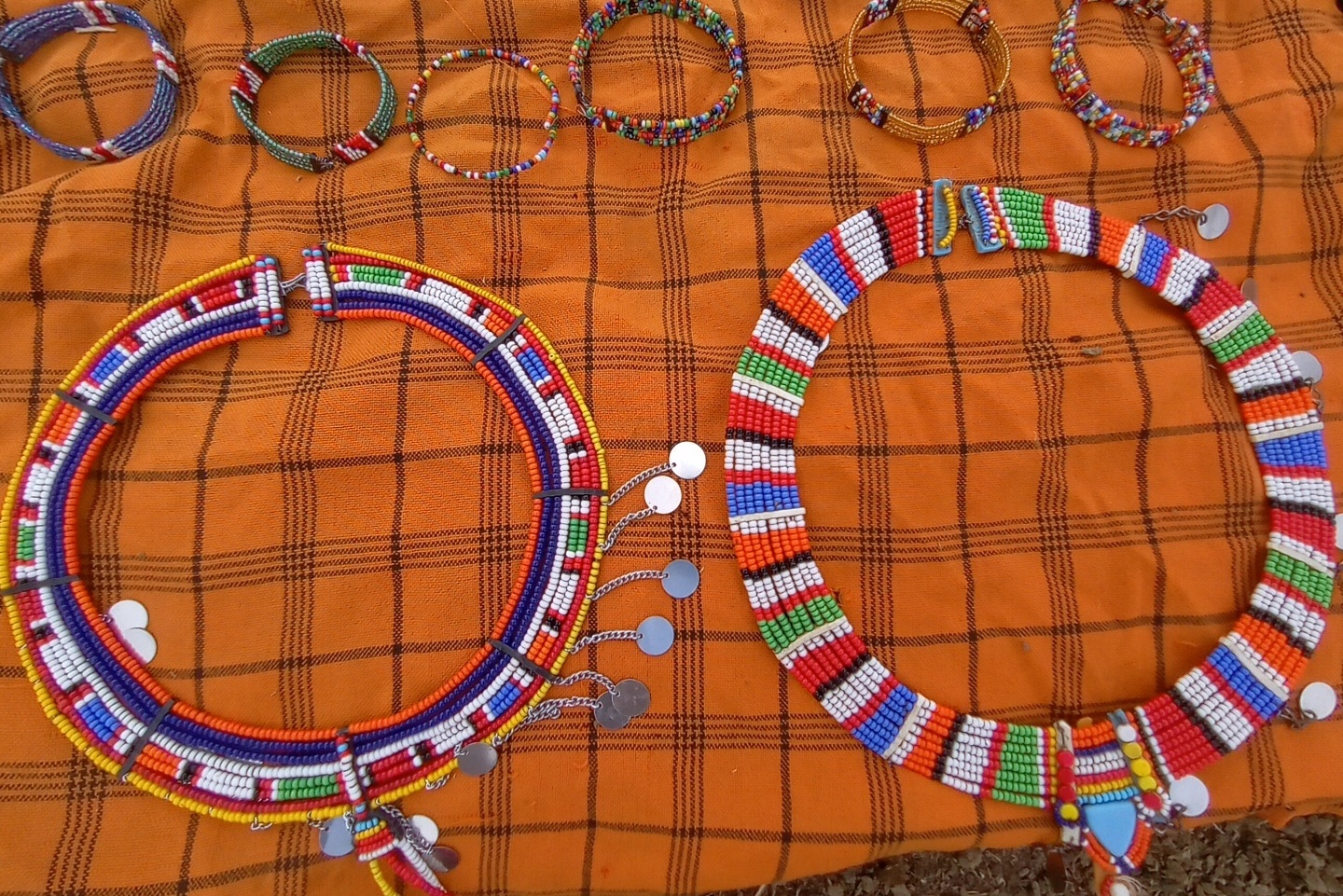
Kenyan artists are talented and they make covetable art pieces. Organize a visit to the Kitengela glass, which is made in the middle of the bush, and products from Ocean Sole, which pays local people to pick up old shoes washed up on the beach and turn them into toys. Also look out for beaded belts and shoes, which are sold across the country.
22. Giraffes and the Manor
Set on 12 acres of private land in Nairobi’s suburb, the famous Giraffe Manor allows guests to participate in sunset feeding sessions. Expect other impromptu feeding sessions: the herd of Rothschild Giraffes will often poke their heads through the windows of the manor house for extra treats. Get ready, for more thrills. This is Kenya!
23. Tee off and the Volcano
Apart from wildlife safari, Kenya has over 40 golf courses carefully developed in some stunning locations. There aren’t many places where you’ll encounter the rule: ‘If a ball comes to rest… close to a hippopotamus or crocodile, another one may be dropped at a safe distance, but no nearer the hole, without a penalty’. It certainly adds to the sense of appreciation of wildlife.
24. Sundowner at the Equator
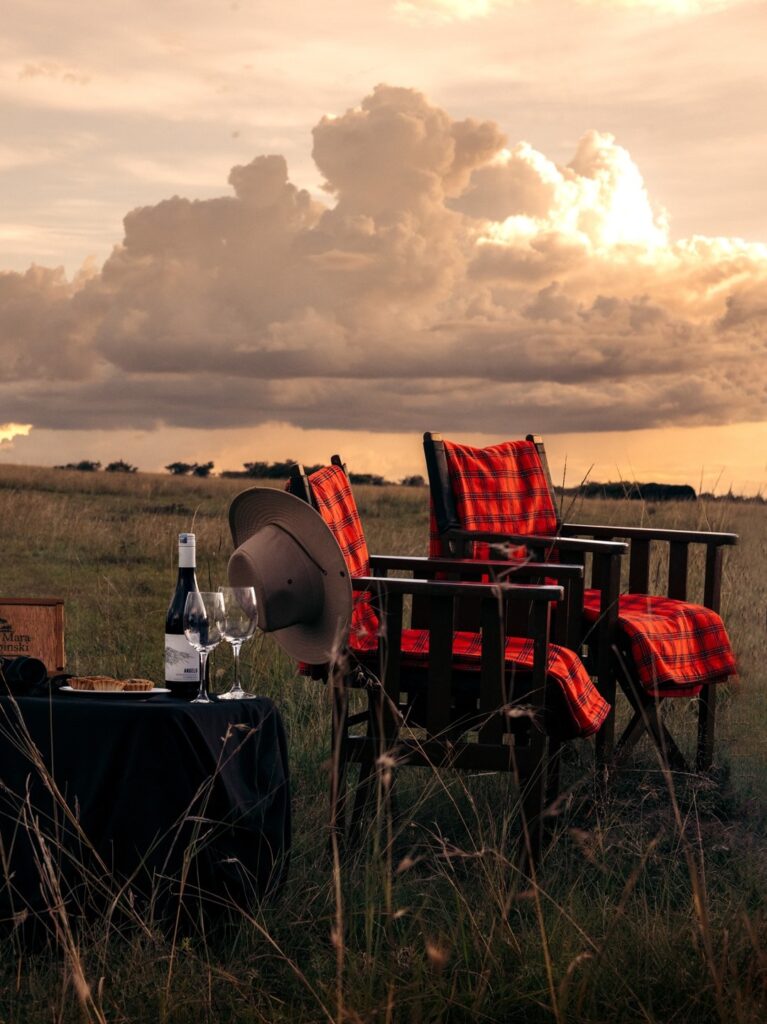
A relic of the Edwardian big-game hunting days, the sundowner still remains a modern-day safari must. Ideally, set out at 4 pm as the afternoon cools, the sun lowers in the sky and the nocturnal creatures begin to come alive. Be sure to arrive at your chosen scenic spot by 6 pm to set out your chairs and sit back, cocktail in hand, to enjoy a dance with the horizon. There are several sundowner spots in Western Kenya, Masai Mara, Lake Victoria and Kenya’s Coast or in Tsavo West National Park, where you can either climb Poachers’ Lookout or sip with the raptors at Roaring Rocks. Let us know what your take is and we will advise you further.
25. Run with Kenya’s Finest
Kenya has bred some of the most famous athletes in the world. It’s also the venue for the famous Lewa Marathon, which takes place in June in the Lewa Wildlife Conservancy, and allows you to run through the pristine wilderness of Laikipia, a glorious privately owned area that abounds in wildlife and is set against the show stopping backdrop of Kenya’s highest peak, Mount Kenya.
If you are interested in jogging further alongside the Kenyan legends, go to the High Altitude Training Centre in the town of Iten, some 300km north of Nairobi where all the big names train and mingle.
26. Safari, Explore the city and the Evening Dinning
Popularly known as the ‘Safari Capital of the World’, Kenya’s Nairobi city is the only known city to have a national park just ten minutes away from its economic nerve. The rolling plains of Nairobi National Park in the expansive Athi plains harbors over 100 recorded mammal species, including giraffes, buffalos rhino, lion, leopard, crocodile and hippo. Easily accessible by any good off-road vehicle, Nairobi National Park offers a mini Kenyan safari that can be enjoyed in one morning.
• Afterwards head to the city’s world-famous Carnivore Restaurant, where you can sample everything from crocodile to ostrich.
27. Meet the Iconic Maasai
Kenya has more than 42 tribes alongside its many attractions; Kenya’s most enduring is the genuine warmth of its people. Best known of its ethnic groups are the scarlet-cloaked iconic Masai, who live a lifestyle that has remained unchanged for centuries. While in the Masai land, we will help you enjoy a Maasai-guided nature walk, style your own traditional wedding or visit a homestead in the most responsible manner possible.
28. Kenya’s Coast
The long stretch of Indian Ocean coastline promises crescents of silver sand, year-round warm waters, waving coconut palms and a world-class line-up of watersports, including coral-garden snorkeling, dhow sailing, game fishing, diving with dolphins, whale shark watching and turtle nest protection. With temperatures averaging 28°C and an average eight hours of sunshine a day, it is easy to see why Kenya’s coastal beaches have become so popular.
The tropical warm beaches backed by tall dunes where green turtles clamber up to nest, and the many offshore marine parks protect long precious coral reefs. A short distance from the coast there are a number of beautiful archipelagos, Lamu famed for its narrow streets, dhows and donkeys, Funzi with its intriguing mangrove channels and sand banks and Kiwayu that is known for its miles of deserted sand. Let us know your dreams for the coastal vacation and we will offer you available options.
29. Explore Kenya’s Northern Frontier
In spite of being sparingly hot and arid, Samburu National Reserve lies on the fringes of a vast desert. Formerly known as the Northern Frontier District, whose scorched landscape ranges from rugged cliffs to meandering brown rivers, where hippos wallow and the mud banks are dotted with grinning bands of crocodiles. Samburu, known for the special wildlife that includes some specimens you rarely find elsewhere, such as the Grevy’s Zebra, the Reticulated Giraffe, the Beisa Oryx, the Gerenuk and the Somali Ostrich. Adrive to Samburu and beyond also guarantees you a stopover at the equator and if the sky allows you could also spot Mount Kenya on your way.
30. Kenya Horse Riding and Safaris
Equestrian history in Kenya, dates back to the settler days, and there are opportunities for both beginners and experienced riders. At private ranches such as Lake Naivasha’s environment, Great Plains Conservation’s Ol Donyo Lodge in the Chyulu Hills horseback excursions allow you to get much closer to the wildlife than would ever be possible in a safari vehicle. Viewing an elephant from horseback or galloping alongside a zebra takes some beating.
The other option would be to set out across the Samburu National Reserve on a camel and an experienced Samburu guide.
31. Discover the Garden of Eden
The world’s largest permanent desert water body, Lake Turkana is sandwiched in the barren landscape of northern Kenya’s Sibiloi National Park. The lake’s shimmering, blue-green waters have earned it the name the Jade Sea. On its eastern shore you’ll find the three-million-year-old Koobi Fora palaeontological site, discovered by Dr Richard Leakey in 1968. Sibiloi is the almost universally recognised ‘Cradle of Mankind’.
Auided visit to the Sibiloi museum will allow you to see, among other fossil phenomena, a three-million-year-old giant tortoise.
32. On the Shadow of Mount Kilimanjaro
Straddled at the border with Tanzania, Amboseli National Park’s evergreen swamps attract great herds of elephants and buffalos who come to wallow and graze for the best part of the day. At Amboseli the magnificent, snow-capped Kilimanjaro dominates the landscape. This is also the highest mountain in Africa and is the heartbeat of Amboseli natural springs. The panoramic vistas of Amboseli have led it to be favored by Hollywood professionals and amateur safari goers and photographers alike. If you are in Amboseli, don’t miss to visit the Observation Hill, the ideal place for watching wildlife graze under the shadow of Kilimanjaro.
33. Lake Victoria
This is the largest of all African lakes, it’s also the second largest freshwater body in the world. Its extensive surface belongs to the three countries; the northern half to Uganda, the southern half to Tanzania, and part of the northeastern sector to Kenya being the smallest part.
The lake occupies a wide depression near the equator, between the East and West Great Rift Valley systems, but its drainage basin is relatively small, being slightly less than three times the lake’s surface in area. The lake water is drained off in Jinja on the northern shore, into the Victoria Nile which flows northward via Lake Albert and the White Nile forming the uppermost reaches of the Nile, the world’s longest river. In Kenya, the lake’ romance and magic lies on its three islands namely; Mfangano, Rusinga, and Takawiri where tourism accommodation facilities have been developed to complement with the available beautiful attractions to explore around Lake Victoria.
34. Kisumu, Kenya’s Only Lakeside City
Known for its spectacular photos of the sunrise and sunset, the lakeside city of Kisumu calls for more than a couple of days during your visitation. From its humid temperate climate to its laid-back city life where its community is well reputed for its warm hospitality, Kisumu offers more than just an urban city.
Having accepted some modernization over the years, Kisumu still maintains that the old town feels charmed especially on the outskirts and the culture is still very much ingrained. If you are looking beyond its intriguing city life, then you won’t be disappointed by the available options.
In Kisumu, tourists can access a variety of activities that are quite engaging. One can avail a classic bike ride offered by local canoe boat operators. You can also indulge in cycling around the city when you have time. Kisumu also offers walking tours along with different scenic sections. Moreover, for fitness enthusiasts, it is a smart way to exercise their legs. Travelers can even hire other modes of transport such as bodaboda bikes or tuk-tuk.
35. Migori – Tarime Cross Border Travel
For those considering exploring Serengeti National Park from Kenya or Maasai Mara National Reserve from Tanzania, a Kenya to Tanzania and vice versa border transfer is unavoidable. Many times, we’re asked about the border crossing formalities many months in advance or even a year plus before the actual date of arrival.
Our recommendation is usually to visit both, but naturally, this isn’t always feasible considering the amount of time and money required to travel to two different countries. Thus, you’ve come to the correct location if you’re looking to figure out the differences between Kenya and Tanzania and have just a week or two before going on safari.
To many guest, visiting both Kenya and Tanzania during their luxury wildlife safari in East Africa is undoubtedly to witness the The Great Migration takes place in either the Serengeti or Maasai Mara every year. Million-super herds of zebra, antelope, and wildebeest travel hundreds of kilometres in pursuit of good grazing and rain, with the predators following on their trail.
Explore Kenya Luxury Safari Ideas...
Encounter some of the most impressive and also elusive wildlife in Africa, from big bold cats to big five, to the shy ones that aren’t spotted easily. What you shouldn’t miss is the so impressive zebra crossing!
Beautiful Beaches: the Kenyan coastline sits right on the Indian Ocean and has beautiful turquoise waters and white sandy beaches that stretch for hundreds of kilometers.
Concession Conservation: Kenya is leading the way in terms of private concessions, which focus on the needs of the communities and the wildlife through the promotion of ecotourism.
Daphne Sheldrick Trust: This is home to a large number of orphaned elephants and this is a great place to visit if you have any spare time in Nairobi.
The Iconic Masai Interaction with Africa’s most famous tribe who dominate the tribal landscape in southern Kenya.
The Great Migration: Around the months of July to September, come and watch as the Mara River explodes into life as the herds make their way north from Tanzania’s Serengeti National Park. Exclusive Wilderness Staying on the expansive private game sanctuaries/reserves enjoying a variety of different activities that range from conservation to development through ecotourism.
We’re your tailor-made African luxury holiday outfitter. We’re an independently-owned and ethically run operator specializing in luxury life-changing luxury holidays in eastern and central Africa. At Oluokos Signature, we pride ourselves on being the leaders in customer service and we only aim at delivering the best to our discerning guests.