
Bird Watching in Katotoi Hills – This is an emerging, high-density birdwatching hotspot located in the outskirts of Malaba, Teso North within Busia County, Western Kenya. Positioned directly along the Kenya–Uganda frontier, this ecologically diverse landscape serves as a vital frontier habitat where rocky outcrops, woodlands, and brush ecosystems overlap. It is celebrated among avitourists for hosting elusive West African and Guinea-Congo Forest species rarely documented elsewhere in Kenya
Situated within the wider Busia and Teso landscape of Western Kenya, Katotoi forms part of an overlooked ecological system that quietly supports an extraordinary overlap of habitats, bird species, migratory movements, and unique biodiversity connections extending across the Kenya–Uganda frontier. And perhaps, this is precisely what makes the hills so important.
Katotoi exists within a region many conservation conversations have historically underestimated because its landscapes do not immediately appear dramatic. There are no vast national parks here. No iconic tourism imagery dominating postcards or travel campaigns both offline and online.
About the Katotoi Hills?
Seasonal grasslands, rocky outcrops, indigenous woodland patches, wetlands, river valleys, agricultural mosaics, hidden escarpments and the Iteso community-managed landscapes that hold together fragments of this vital biodiversity that are disappearing elsewhere across the region.
For birders willing to move beyond Kenya’s conventional birding and wildlife tourist circuits, Katotoi Hills reveal one of Western Kenya’s most rewarding frontier habitats.
Birding along the rocky sections and woodland edges continues to produce remarkable records, including species that remain highly localized or difficult to encounter elsewhere in Kenya. The hills and surrounding habitats have drawn increasing interest precisely because they continue revealing species distributions that are still poorly documented scientifically.
of the Katotoi Hills
For those with some good number of days around birding the Northern sections of Busia County at the Katotoi Hills along the Malaba River valley that also marks the boundary between Kenya and Uganda will be rewarding.
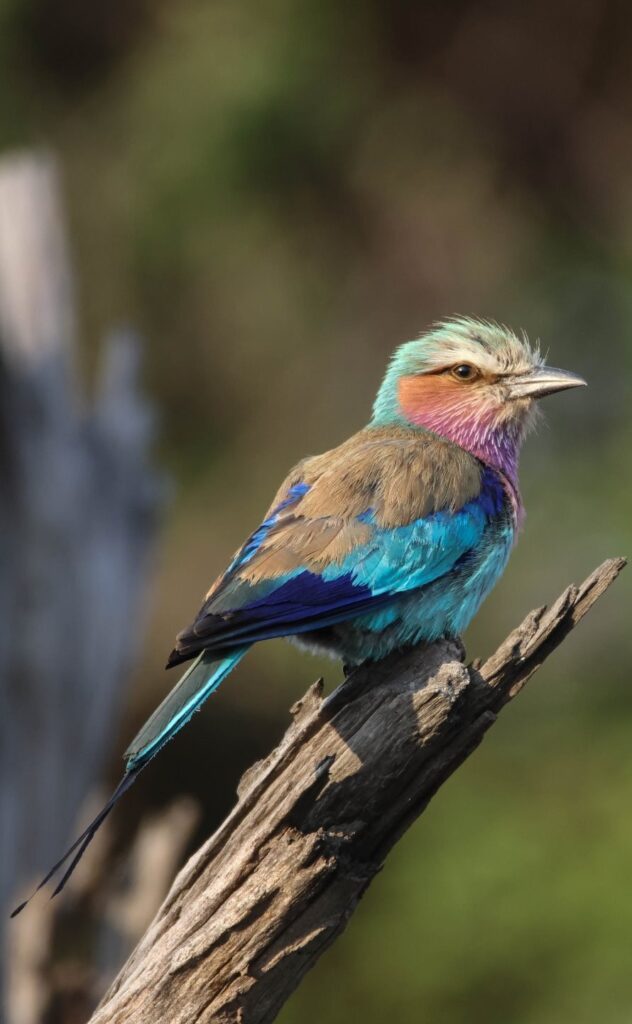
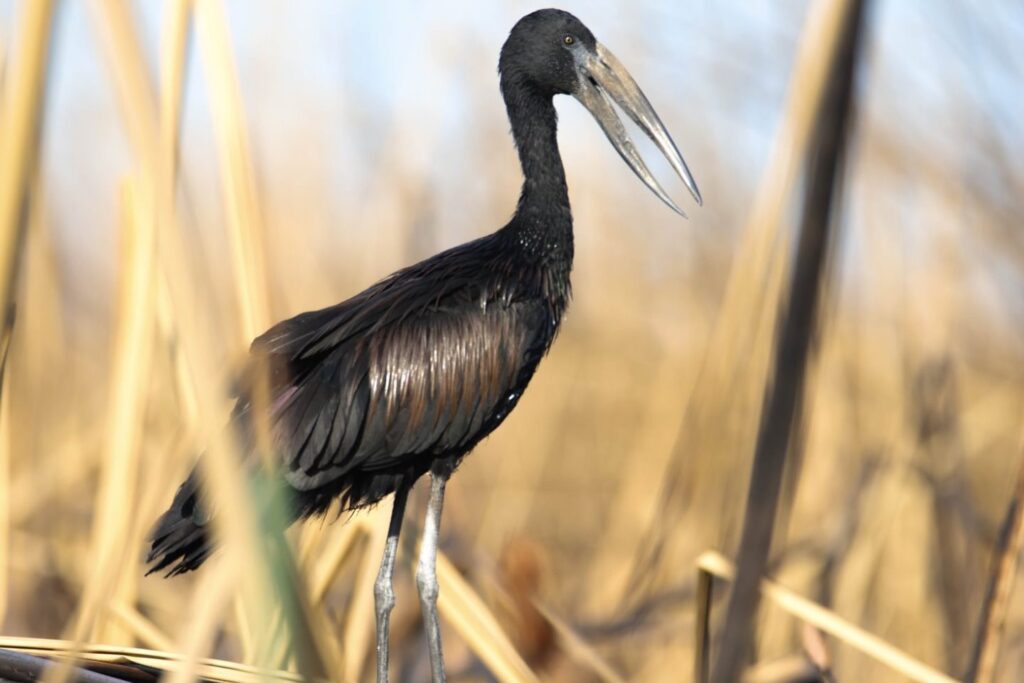
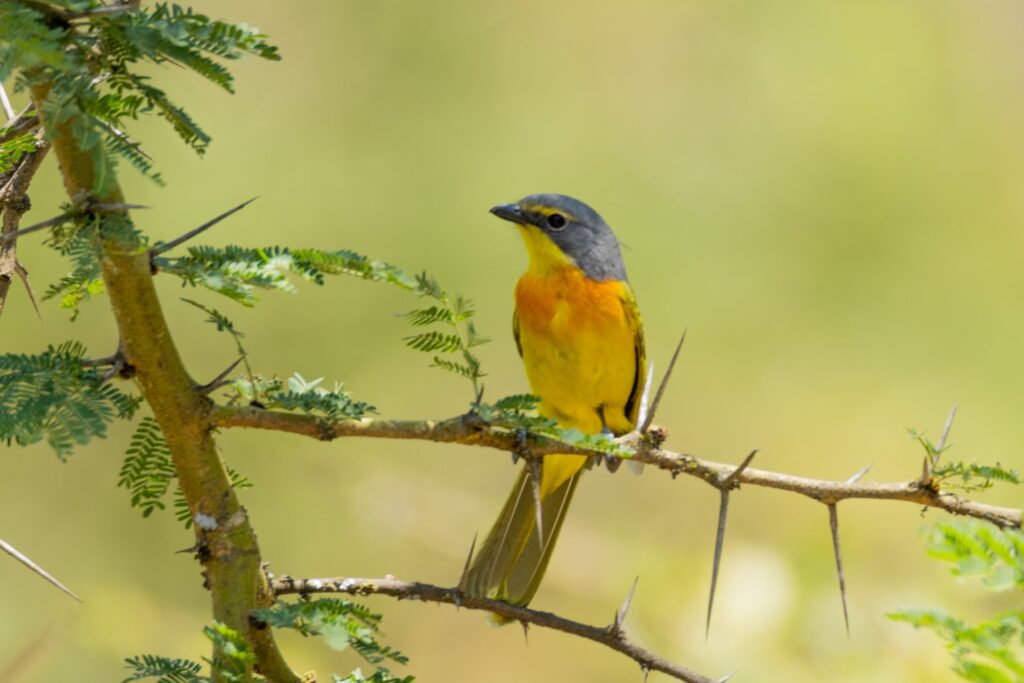
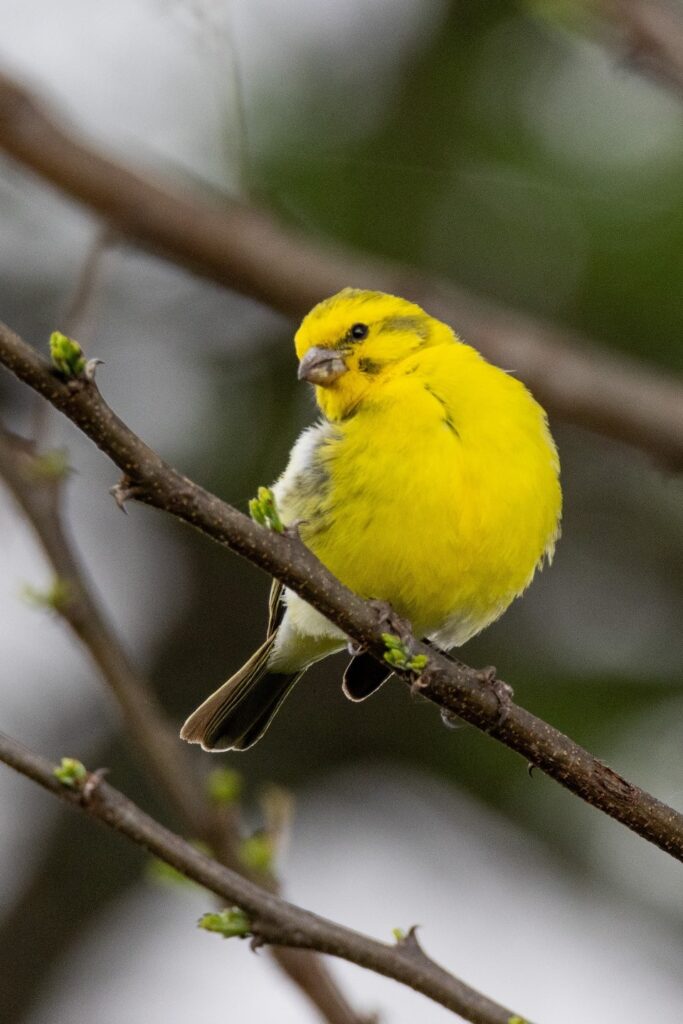
Other notable species include the newly discovered Kenya’s species, the Bamboo Warbler, a bird that has proved many top global ornitholigist photographers wrong! The locally resitriced Speckle-breasted Woodpecker, Pennant-winged Nightjar, Red-shouldered Cuckooshrike, African Firefinch, Red-headed Lovebird, Compact Weaver. Olive-bellied Sunbird, Whistling Cisticola, Black-bellied Firefinch, Black-crowned Waxbills and much more.
- The Future of Birds Conservation at Katotoi Hills:
Having known that this landscape perhaps most importantly, continue to demonstrate that Western Kenya still contains little-known birding territories whose ecological potential has not yet been fully studied or understood.
That matters enormously – Because across Africa, many ecologically important landscapes are disappearing long before they are properly documented, researched, or protected and Katotoi Hills conveys a bolder story about conservation itself. A constant reminder that biodiversity does not only survive inside formally protected areas.
Sometimes it persists within ordinary-looking community landscapes. In hill systems shaped by generations of coexistence between man and nature. In places where local stewardship quietly determines whether indigenous trees survive, whether habitat corridors remain connected, and whether birds continue finding refuge within increasingly fragmented ecosystems.
This is why Western Kenya’s lesser-known birding sites deserve far stronger recognition… and not just another rushed birds’ checklist after they are lost.


For those with some good number of days around, birding the Northern sections of Busia County at the Abwaakeris Ridge by Oluokos in the Chelelemuk Hills, and an informative birding to Adumai, Aderema, Kapesur, Katotoi, and the Aderema Hills in addition to exploring the farmlands along the Malaba River valley that marks the boundary between Kenya and Uganda will be equally rewarding.
“Go Better with Oluokos,” is not just embarking on a birding safari—it is joining a global movement towards responsible birding safari, wildlife conservation, and community empowerment through regenerative luxury travel. Our birding guests are able to responsibly experience Africa’s untamed avian beauty while leaving a positive legacy. With us, you know that your birding safari to Africa is helping to protect this fragile planet for future generations.
Let us safeguard our wildlife, protect our ecosystems, and uplift our communities together. Choose Oluokos Signature and become part of a sustainable future through bird watching.