Categories


Oluokos African luxury safari packages offer the quintessential birding safari experiences for all walks in life. This is heavily attributed to vast wilderness areas, impressive quality, diversity of species and our safari guides field experience.
Among the most impressive of the continent’s innumerable wildlife spectacles are the birds of prey that dominate the skies of Nairobi, waders in the mud flats, swamps, rivers and passerines that gladly enjoy the bushes withut forgetting the birds of the open plains and the forests. Nairobi really does impress with its birding safaris and it is not unusual to record over 150 species of birds in a day.
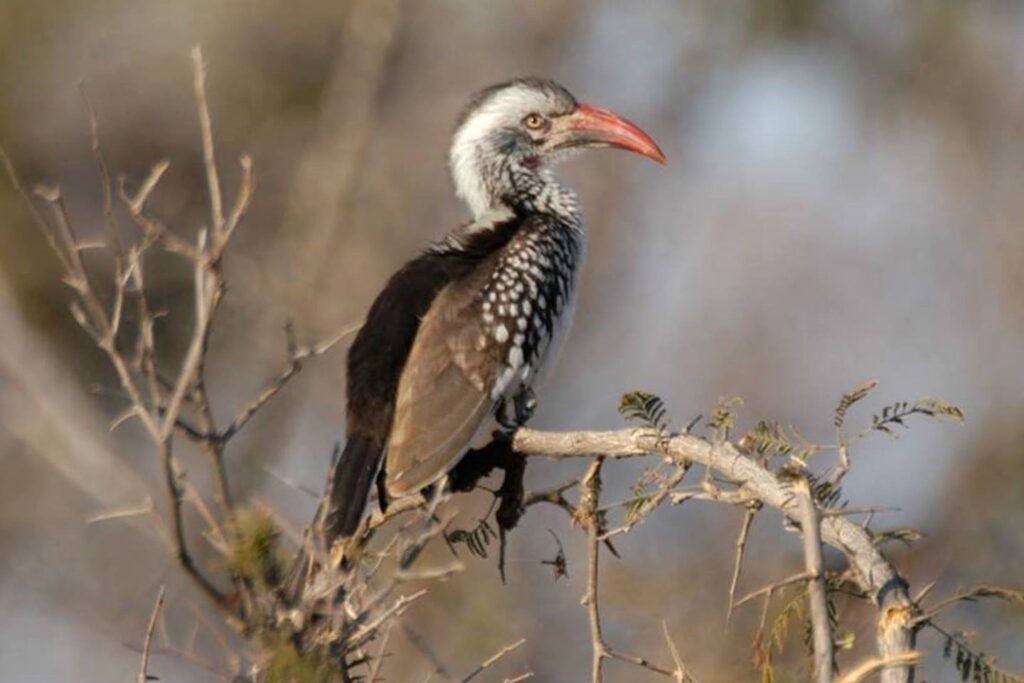
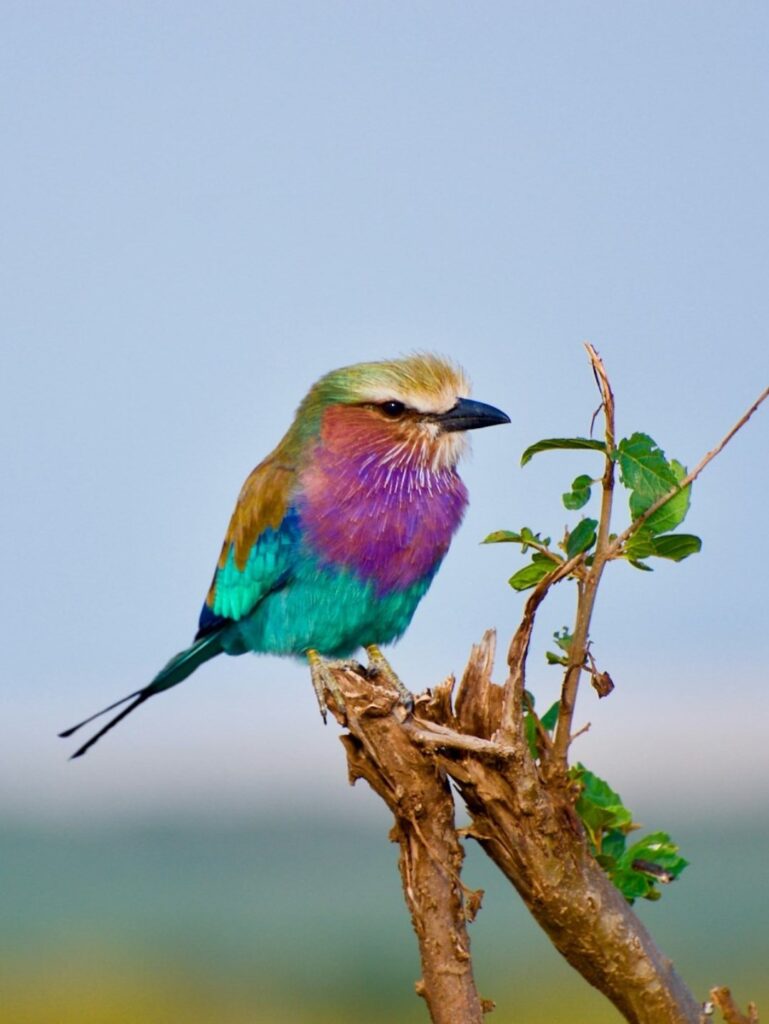
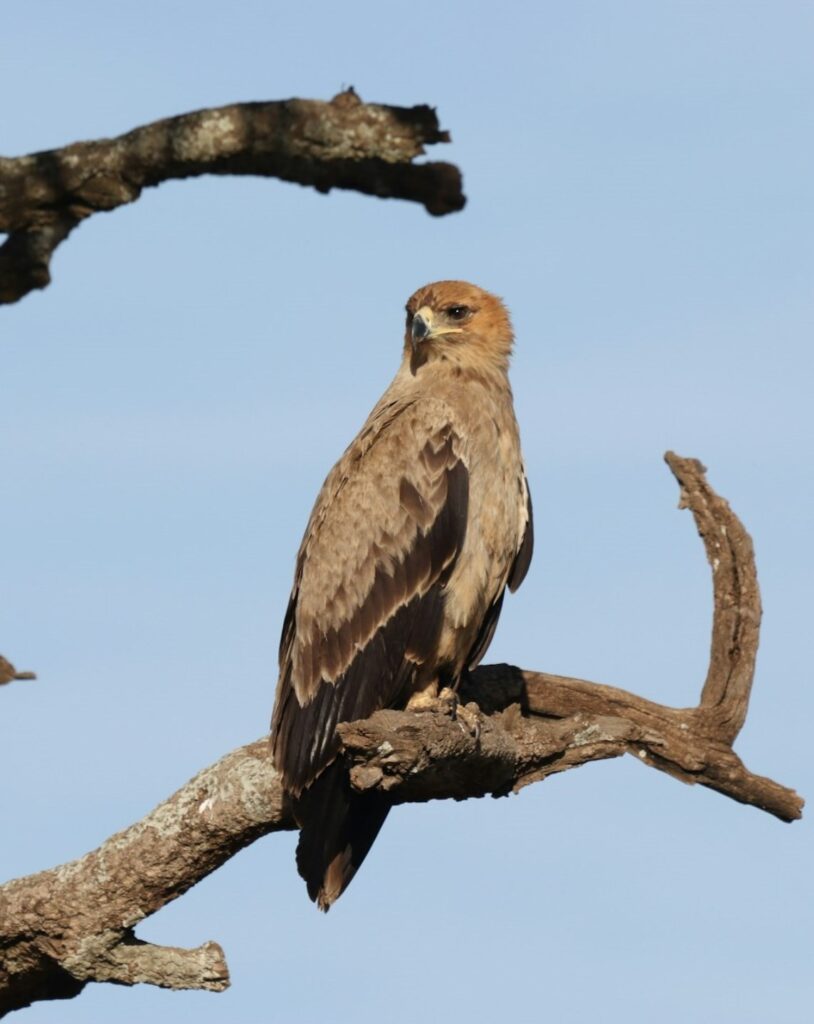
From the stunning birds like sunbirds, kingfishers, barbets, rollers, hornbills, starlings, sparrows, bush shrikes and finches can be seen as can a rich diversity of a good number of raptors. The bataleur, snake eagle, martial eagle, fish eagle, falcons, buzzards and goshawks dominate the skies.
On the wetlands, Nairobi’s birding safari is among the finest in the worlds. Its wetlands throughout support a wealth of wonderful birdlife. From thick-knees, jacana, storks, herons, ibises, pelicans, waterfowl and waders to name a few.
To appreciate luxury bird watching safaris around Nairobi and understanding the best of its species diversity involves exploring different ecosystems during the same birding holiday. In general, for Nairobi bird watching safaris we recommend, spending longer time in each attraction sites to avoid missing birds and animals and we offer quality activities in the best light so you get outstanding bird sightings and photos.
Though a good number of birders may prefer to be on the move, visiting as many different national parks and likely bird habitats as possible logistically with given timeframes and targeted species desire, we recommended spending a good number of days in some of our selected birding hotspots where it’s possible to see over 300 bird species within three days.

The clandestine treasures attractions that are not only easily accessible, but also offer highly gratifying bird watching experiences. A good number of endemic and near-endemic bird species can easily be seen on a two weeks birding tour. These birds are especially sought-after as they only occur within the country or marginally beyond.
The European migrants are present from August to April. Kenya’s capital, Nairobi, offers a couple of places that are close enough, and tend to be both productive and rewarding in the numbers of birds’ species seen or recorded. An informative guided birding tour will introduce you to the feathered fauna of the Kenya birds that are interesting and, beautiful.
Besides there are excellent avian spots in the surrounding areas just within 2 hours drive where you can go for a day birding safari for a rewarding birding experience. Please, find some of our recommended ornithological sites around Nairobi.
Depending on your specific location, your birding safari may offer you the chance to spot the stunning lilac-breasted roller, majestic African fish eagle, and elusive forest-dwelling Pel’s Fishing Owl. The rare shoebill stork, which can only be found in a few locations in East Africa, is a popular attraction. On a walking safari along the sweeping shores of one of the shallow saline lakes, you also may see millions of breeding lesser pink flamingo. It’s a breathtaking sight.
Among our many targets are many national and regional rarities. These include national endemics Kikuyu White-eye and Sharpe’s Longclaw. We also seek rarities including East African endemics Grey-crested Helmetshrike, Red-throated Tit, Northern Pied Babbler, Hildebrandt’s Starling, Jackson’s Widowbird, Hartlaub’s Turaco, Hunter’s Cisticola, Black-lored Babbler and Kenya Rufous Sparrow.
There are also birds where Kenya has the largest known distribution range for the species, often referred to as ‘Near endemics to Kenya’, and these include Golden-winged Sunbird, Parrot-billed Sparrow and Fire-fronted Bishop.
During our birding safaris around Nairobi, we visit hotspots and accommodation facilities which are well known to Oluokos, in the company of top quality local birding safari guides who equally are well-versed in our birding ways. You will find this a comfortable and professionally organized tour in excellent company!
Our guests tend to ask what the perfect Nairobi birding safari itinerary looks like and to be honest, we don’t have a straight-forward answer.
To answer you in brief, each guest has a unique taste when it comes to enquiring about a Nairobi birding safari and this could be based on personality that’s strongly influenced by expectations. We have given a few good to check itineraries to serve as bird watching travel inspirations.
We don’t offer Nairobi as a bucket list destination, but a rich birding experience with diversity, meaningful purpose to travel, cultural mosaic and of course, unmatched habitats that have given room to birds and wildlife. We have identified Nairobi’s most intriguing bird watching safaris that you should consider during your bird watching holiday planning when you’re around Nairobi.
Properties and experiences that uplift and empower local communities in our destinations.
Supports wildlife projects, protected areas and ecosystem regeneration through tourism.

We strengthen intercultural understanding and relations, safeguarding cultural heritage.

Commerce affects the sustainability of our destinations the people who live in these natural areas.

The state of being aware of and responsive to one’s surroundings – as a business, our staff and guests.
Nairobi National Park stretches over an area of 117 square kilometers comprising of a variety of habitants which act a home to a huge population of wildlife as well as birdlife, these habitats are categorized into natural and man-made habitats and they include man made dams, open grasslands, bush country, rock gorges, riverine woodland and highland forest.
Nairobi national park is listed among the Important Birding Areas in Kenya and is an incredible bird watcher’s haven with over 520 bird species of birds including resident species and migratory species, an incredible birding sites.
Birding in Nairobi national park is done with a good resident ornithologist (bird guide) who knows where to find the birds and will explain them to you in details, birds to lookout for in the park include the globally threatened Corncrake, Madagascar Pond-Heron, Lesser Kestrel, Corncrake, Jackson’s Widowbird, Red-throated Tit and Basra Reed Warbler has both been spotted.
Regionally threatened species include Struthio camelus, Hieraaetus ayresii, Stephanoaetus coronatus, Ephippiorhynchus senegalensis, Polemaetus bellicosus, Anhinga rufa, Casmerodius albus, Podica senegalensis, and Buphagus africanus among others.
In addition to sights of colourful birds, you will enjoy watching wildlife species hosted in the park such as zebras, elands, impalas, hartebeests, lions, cape buffaloes, giraffes, rhinos, leopards and occasional cheetahs. Please, read more on Where to Watch Birds in Nairobi National Park
Karura Forest is one of the urban birding hotspots in Nairobi, the capital of Kenya. Karura Forest was gazetted in 1932 and is run by the Kenya Forest Service in partnership with the Friends of Karura Forest.
The forest has an area of 1063 hectares, making it the largest of the three main declared urban forests in Nairobi. The other forests being Ngong Forest and Oloolua, the centrally located Nairobi Arboretum is much smaller. Karura Forest has well-marked and maintained nature trails.
Watered by five tributaries of the Nairobi River that pass through Karura Forest: Ruaka River which separates Karura River and the Runda residential area;
Karura River traverses through the forest, Getathuru River borders the Forest along its southern edge with the Muthaiga residential area; Thigiri River (a tributary of Getathuru River) crisscross through the western section of Karura Forest, and Mathare River which forms part of the Southern boundary of the Sigiria block.
Birding in the Karura Forest is done on foot, which brings a sense of calm and appreciation in connecting with nature as you discover more than its 200 bird species that have been recorded in the forest.
Bird species that can be encountered in the forest include; Singing Cisticola, African Goshawk, African Crowned Eagle, Augur Buzzard, Brown-chested Alethe, Narina Trogon, Long Crested Eagle, White-backed Duck, Malachite Kingfisher, Hartlaub’s Turaco, White-headed Barbet, Slender-billed Greenbul, African Black Duck, African Emerald Cuckoo, Yellow-rumped Tinkerbird, Paradise Flycatcher, Grey-crowned Cranes, Spot-flanked Barbet and a Red-chested Flufftail a secretive bird in bogs, swamps, and marshes, has been heard and seen.
Magadi Road is one of the famous routes used while driving through Nairobi city, the route is 115 kilometers leading to Lake Magadi and it is in good tarmac conditions throughout making it great for driving.
After leaving Nairobi uplands, the route crosses at the end of the Ngong Hills before dropping down the side of the Great Rift Valley – the upland grassland habitats of the Ngong Hills transcending into the semi – arid bush country below.
As you drive on this route, you will have frequent stopovers to enjoy sights of an incredible selection of birds such as large numbers of weavers, whydahs and finches at the seasonal waterholes.
Olorgesailie Archaeological site situated approximately 65 kilometers from Nairobi city, left after Oltepesi, after from being an interesting archaeological site, it is also an incredible birding site while in Nairobi.
This site hosts a good number of birds including large flocks of weavers and finches which are attracted to the water bath situated next to the rest area and a trail around the perimeter of the site.
Olorgesailie Archaeological Site is an incredible site for spotting coursers, larks and Ashy Cisticola.
Lake Magadi is a classic birding site around Nairobi City as well as Kenya, the site is a Rift Valley Soda Lake situated in the Great Rift Valley escarpment which is close to Nairobi city.
Lake Magadi is incredible hosts for a large number of water birds seen congregating around the southern edges of the lake, most of the common bird species to spot at Lake Magadi are the pink flamingos.
Other bird species to look out for at Lake Magadi include Common Rock Thrush, Northern Wheatear, Vitelline Masked Weaver, Black-necked Weaver, Red-throated Tit, Wailing Cisticola, African Bare-eyed Thrush, Pringle’s Puffback, Zanzibar Greenbul, Ashy Cisticola, Mouse-coloured Penduline Tit, Buff-crested Bustard, Somali Bunting, Tiny Cisticola, Red-fronted Warbler, Swahili Sparrow, White-throated Bee-eater, Dimorphic Egret, Gull-billed Tern, Two-banded Courser, Three-banded Courser among others.
Lake Magadi is an incredible birding spot for the tiny Chestnut-banded Plover in Kenya.
Gatamaiyu Forest lies north of Nairobi-Naivasha highway; about an hour’s drive from Nairobi city. Birds pass via Manguo swamp for a birding break before continuing with your journey to the forest for another exciting birding trip. This journey also takes you through a tea plantation, visitor may engage in tea picking and cultural interactions with the local community.
On this road trip, you may encounter several birds including the Grey Crowned Crane, Great Egret, Hartlaub’s Turaco, Cinnamon Bracken Warbler, Chestnut-throated Apalis, Brown Woodland Warbler, Abbott’s Starling, Cape Wagtail, Cinnamon-chested Bee-eater, Brown-chested Alethe, African Hill Babbler, Hunter’s Cisticola, Green-headed Sunbird, Golden-winged Sunbird, Malachite Sunbird, African Stonechat, Olive-breasted Greenbul, Placid Greenbul, Black-fronted Bushshrike, Yellow-bellied Waxbill, Bar-tailed Trogon, White-browed Crombec, White-headed Wood-hoopoe, African Olive Pigeon, Mountain Buzzard, Southern Pochard, Red-knobbed Coot, Maccoa Duck, White-starred Robin, White-tailed Crested-Flycatcher.
Kinangop Grasslands and Aberdare Forest are top bird watching sites for day trips around Nairobi where birders can see several migrants and resident birds. On this birding trail, we aim spot over 250 bird species and 5 of 8 species are recorded as endemic birds, 53 out of 70 bird species are recorded as Afrotropical Highland biome in Kenya. The trip also takes you to Kikuyu escarpment forest which sits in the southern part of Aberdare forest to see birds like Abbott’s Starling, Barred Long-tailed Cuckoo, Orange Graund Thrush and Red chested Owlet.
Bird watching in Kinangop Grasslands & Aberdare Forest can be done throughout the year however the best time to do birding starts from November to April when the migrant’s birds from Europe and north Africa are present. You may also see many birds in breeding plumage during that period. The drier months run from June to September and December to February; these are good months for forest hiking and watching resident bird species as well as watching several animals including the Bush Duiker, Black-and-white Colobus Monkey
The following are the bird species in Kinangop Grasslands and Aberdare Forest; African Snipe, Black-winged Plover, Red-throated Wryneck, Red-throated Pipit, Common Quail, Black-tailed Godwit, Levaillant’s Cisticola, Wing-snapping Cisticola, Cinnamon Bracken Warbler, Long-tailed Widowbird, Jackson’s Widowbird, Angola Swallow, Montane Nightjar, Sharpe’s Longclaw, Mountain Buzzard, Hunter’s Cisticola, Rufous-breasted Sparrowhawk, Lesser Jacana, Common Stonechat, Golden-winged Sunbird, Mountain Yellow Warbler, Chestnut-throated Apalis, Malachite Sunbird, Moorland Chat, Black-fronted Bushshrike, Yellow-crowned Canary, Brown Woodland Warbler, Yellow-bellied Waxbill, Jackson’s Francolin among others.
The Oloolua Forest Nature Trail, in Karen is a premier bird-watching destination in Nairobi, home to over 80 bird species. This 250-hectare indigenous tropical dry forest offers a diverse habitat of riverine vegetation, papyrus swamps, and dense canopy, making it an ideal sanctuary for forest-dwelling and river-edge species.
Oloolua Forest is home to a rich tapestry of typical forest birds, making it an idyllic destination for bird enthusiasts. Here, you have the assurance of encountering some of the most sought-after species that reside within forested ecosystems.
As you embark on your journey through the forest’s tranquil trails, keep your senses attuned to the melodious calls and vibrant plumage that adorn the canopy. Oloolua Forest promises a captivating birding adventure, where the beauty of nature and the allure of its avian inhabitants seamlessly blend.
For an unforgettable experience in the heart of nature, bring your binoculars and join us at Oloolua Forest. Discover the magic of forest birdwatching amidst the peaceful ambiance of this hidden gem in Karen.
Bird watching in the Athi and Kapiti Plains, particularly within the 20,000-acre Swara Plains Wildlife Conservancy and the adjacent Nairobi National Park, offers a premier, “off-the-beaten-path” experience with over 300 bird species found in the area.
This region, located about 35-40 km from Nairobi, serves as a crucial wildlife corridor and features a mix of savannah grasslands, acacia woodlands, and man-made dams that attract a high diversity of avian life. This circuit, combined with Hippo Pools and the Ox-bow Lake, is one of the most rewarding birding areas in the park.
It is excellent for spotting bustards, raptors, waders, and larks. The Athi Dam’s muddy margins attract a variety of waterbirds and waders, while crocodiles bask along the shores. In the afternoons, hundreds of Marabou Storks descend on the dam to drink and bathe, creating a spectacular sight.
Notable species: Blue-billed Teal, Water Thick-knee, African Openbill, Black-crowned Night Heron, White-bellied Canary, Kittlitz’s Plover, Temminck’s Stint, Black-faced Waxbill, Knob-billed Duck, Martial Eagle, Somali Short-tailed Lark, Quailfinch, Shelley’s Francolin, Banded Parisoma, Violet Woodhoopoe.
{Oluokos Signature}
Typically replies within minutes
Any questions related to African luxury custom safari? #GoBetterWithOluokos! Please, share with us your African custom luxury safari requirement and our luxury safari designers will be delighted to assist you.
WhatsApp Us
Online | Privacy policy