October Big Day 2026 Trip Report By The Oluokos – On 10 October 2026, #TeamOluokos joined birders around the world for the just concluded eBird October Big Day.
Our team started off at 5 a.m. at Katotoi Hills in Busia County and worked our way through Abwaakeris and Amukura, the Mumias sugar plantations and River Nzoia at Sango Bridge, before finishing at Yala Swamp and the Lake Kanyaboli area.
By the end of the day, we had recorded 205 species, coming fourth nationally in Kenya in the Species Leader category and fifth in the Checklist Leader category.
October Big Day 2026 Trip Report By The Oluokos
By Awuor Oluoko
We had planned a full day of birding, with several sites to cover and particular birds we hoped to find. Among the day’s highlights were two bee-eater species photographed at different locations, seven Piapiacs at Amukura, four Rock Pratincoles along River Nzoia and a pair of Papyrus Gonoleks singing at Yala Swamp. We had also hoped to visit the Alupe grasslands in search of the Abyssinian Ground Hornbill, but that stop did not make it into our final route.
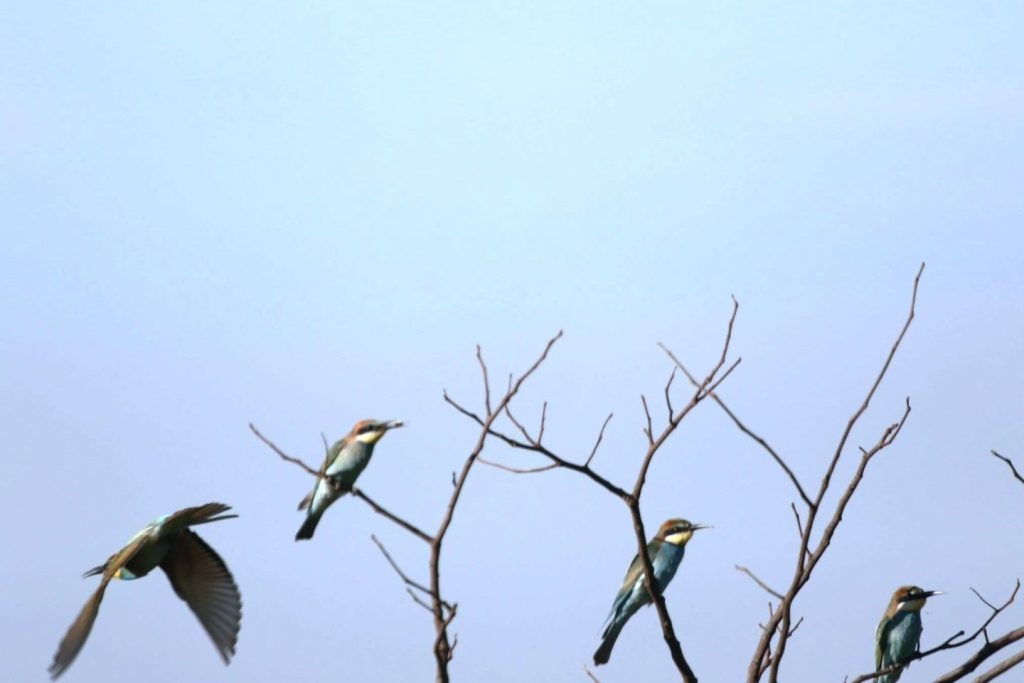
Our first sightings at Katotoi Hills included European Bee-eaters, which we photographed during the morning. We also recorded Ross’s Turacos, White-crested Turacos, Meyer’s Parrots, Speckle-breasted Woodpeckers, Western Black-headed Batises, Palm-nut Vultures and Red-necked Falcons. Red-faced Cisticolas, weavers, waxbills, sunbirds and warblers added to the list, alongside Crested Francolins, mousebirds and cuckoos.
Katotoi Hills has been one of the key the sites we have continued to explore through our birding activities in northern Teso, Busia couunty. We were happy with our photographs of the European Bee-eaters and the variety of species we managed to record before leaving for Abwaakeris.
At Abwaakeris Ridge, we recorded Red-headed Lovebirds, Black Goshawk, African Goshawk, Spot-flanked Barbet, Northern Crombec, Reichenow’s Seedeater and Golden-breasted Bunting, along with several species of cuckoo, swift, finch, bishop and waxbill. One figure in our day’s records stood out: 47 Common Buzzards. We would like to compare this count with observations from other visits to the area to establish whether similarly high numbers have been recorded there.
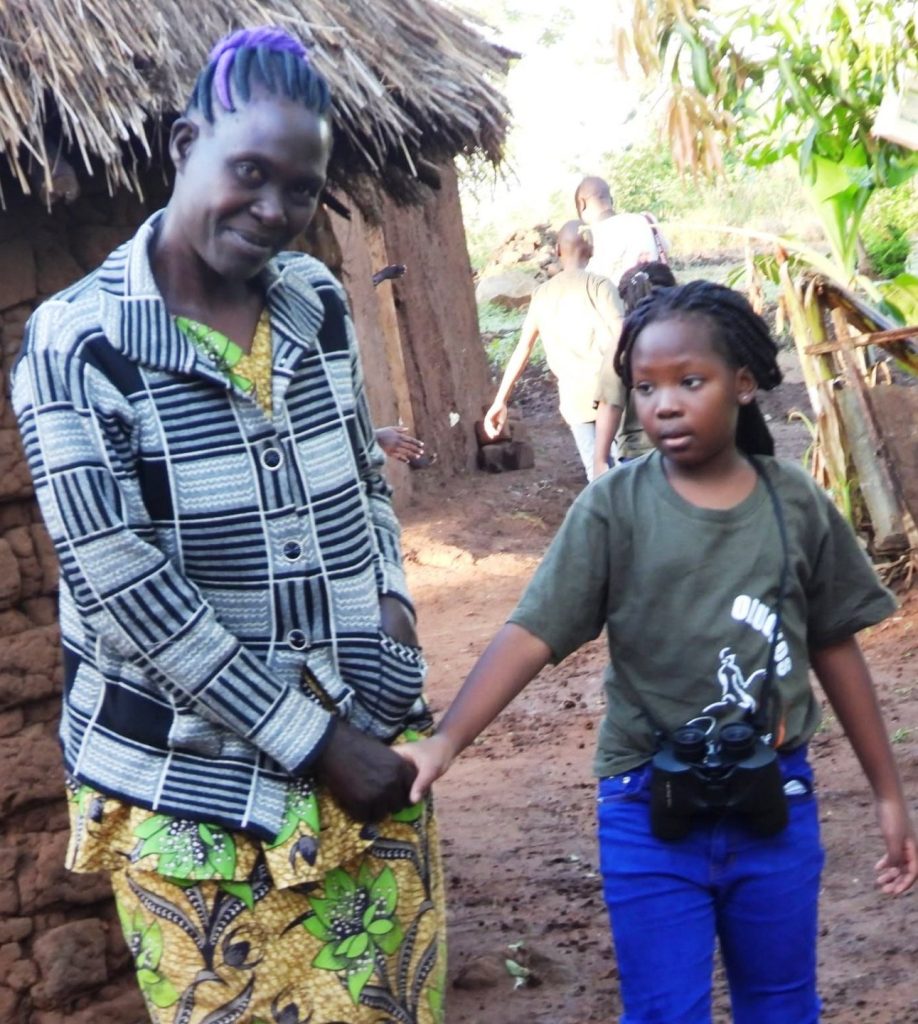
We continued our birding through the Abwaakeris landscape before heading to Amukura. At St. Paul’s in Amukura, we recorded seven Piapiacs. Some students spotted us birding and came over to ask what we were looking for. We explained that we were participating in October Big Day and recording the birds we encountered along our route. Our conversation turned to the Piapiacs and the Borassus palms growing in the school field. The students were interested in what we were doing, and it was good to have a few minutes to talk with them about birds in their own surroundings.
We could not stay long because Mumias and River Nzoia were still ahead of us. After the conversation, we continued with the day’s birding. Mumias brought another bee-eater encounter. We recorded seven Blue-breasted Bee-eaters in the sugar plantation landscape, following our earlier sighting of European Bee-eaters at Katotoi. We were delighted to photograph the first species and then encounter another at a different stop on the same day.
Our other records from Mumias included Harlequin Quail, Senegal Coucal, European Honey-buzzard, Little Sparrowhawk, Marsh Tchagra, Black-headed Gonolek, Winding Cisticola, Swamp Flycatcher, Red-chested Sunbird, Golden-backed Weaver, Zebra Waxbill, Fan-tailed Widowbird and Marsh Widowbird, among others. We continued recording birds along the route as we made our way towards River Nzoia.
At Sango Bridge, we stopped along River Nzoia to look for Rock Pratincoles. We found four, and the children were thrilled. We spent some time watching them before continuing towards Yala Swamp. By then, we had birded several locations across Busia and the surrounding region, with the wetlands still ahead of us.
At Yala Swamp, a pair of Papyrus Gonoleks gave us a duet. It was one of the day’s highlights, and we were pleased to record both birds. Our observations around Yala Swamp and Lake Kanyaboli also included Papyrus Yellow-Warbler, White-winged Swamp Warbler, African Swamphen, Black-crowned Night Heron, Osprey, Southern Red Bishop and Swamp Nightjar.
Pied Kingfishers were diving over the water as we watched the birds around the wetland. We continued birding in the area before bringing our October Big Day outing to a close. We had intended to visit the Alupe University grounds and the surrounding Alupe grasslands to look for the Abyssinian Ground Hornbill. Unfortunately, we ran out of time and had to leave the site off our itinerary. It was obviously disappointing to miss the opportunity, particularly because we have an interest in the ground hornbills reported from the Alupe grasslands. We hope to return for a dedicated visit and spend more time exploring the area.
Our final tally was 205 species, placing Team Oluokos fourth nationally in Kenya in the Species Leader category and fifth in the Checklist Leader category for October Big Day 2026
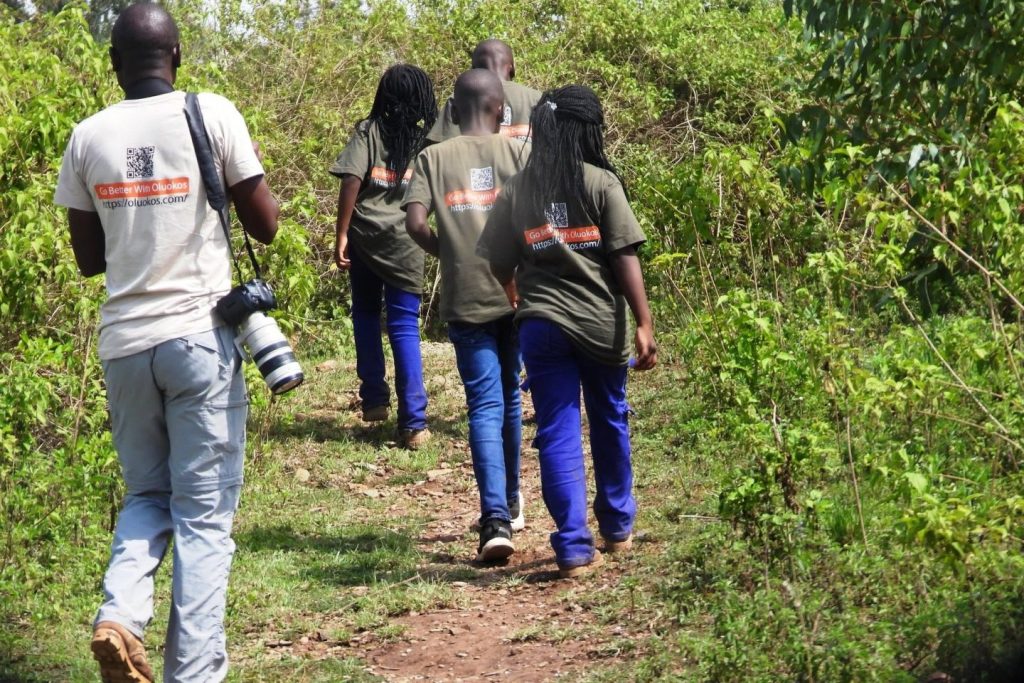
The European Bee-eaters at Katotoi, the Blue-breasted Bee-eaters at Mumias, the students at Amukura, the four Rock Pratincoles at River Nzoia and the Papyrus Gonoleks at Yala all gave us something to talk about after the day was done. Taya, Ivy, Enrique and Alain took part throughout the outing, sharing the sightings and helping us document the birds we encountered. Ouma Oluoko and I, Awuor Oluoko guided the route and birded alongside them from our early start at Katotoi to our final observations around Yala and Lake Kanyaboli.

Exploring Western Kenya, For the Love of Birds...
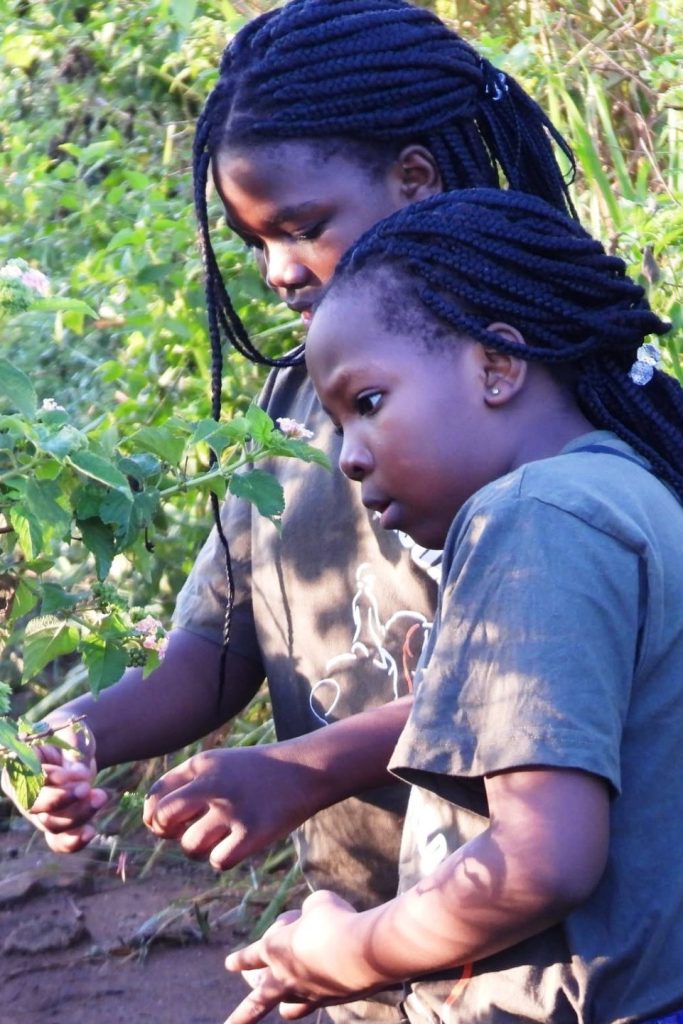
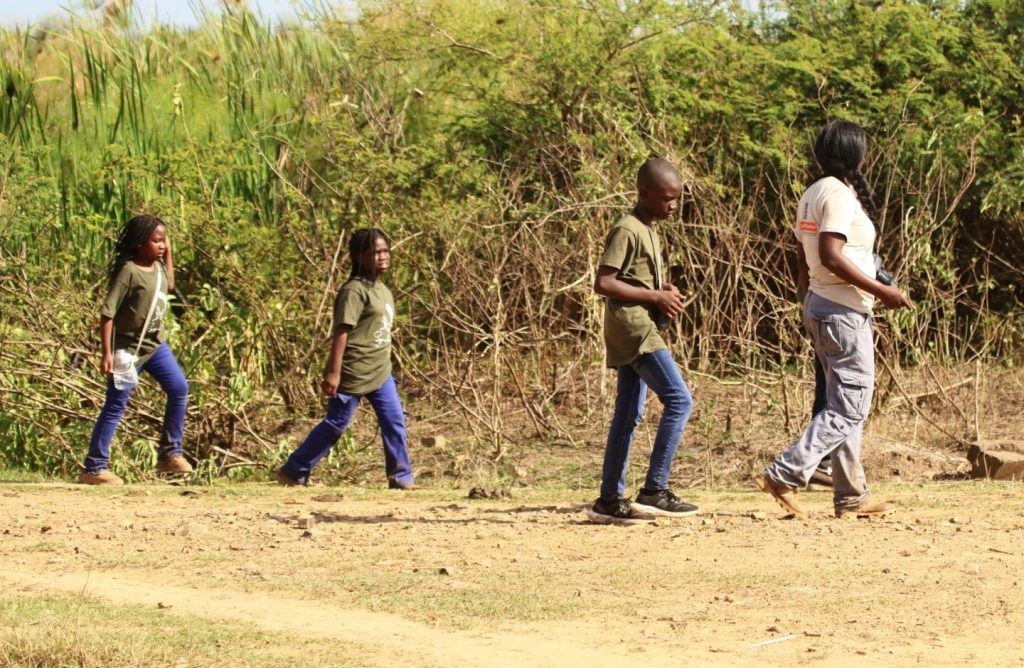
The experience was also a highlight of Oluokos Signature’s work through the Oluokos Kids Nature Space, where we encourage the children of our Western Kenya communities to learn about the natural world through their interaction with the habitats around them. The October Big Day gave the children a chance to practice identifying birds, recording observations and sharing in a national citizen-science event as part of our family team.
We covered a considerable stretch of Western Kenya and Nyanza during the day, from the hills of Katotoi to Abwaakeris Ridge, Amukura Hills, the Mumias Sugar Plantations, the farmlands, roadside stopovers to the banks of River Nzoia and finally, the expansive Yala Swamp. Much thanks to our Western Kenya’s communities around the habitats in which we birded, Anwar Mahmoud for granting us the permission to use his car, St. Paul’s Amukura Boys’ High School, Haman Chemist -Malaba, Taya, Ivy, Enrique, Alain, Awuor Oluoko and Ouma Oluoko, for a full day of birding across Western Kenya and Nyanza.

Key Birding Highlights
October Big Day 2026 took place globally on Saturday, 10 October 2026. While the official, comprehensive trip report details for the specific team at Oluokos Signature are typically published directly to their Safari Trip Reports Portal and logged via the official eBird Platform, their planned birdwatching itinerary primarily focused on the rich, diverse ecosystems of Western Kenya.
- Conservation Focus: Beyond logging species counts into the eBird Mobile App, Team Oluokos used the event to highlight ongoing conservation challenges in the Busia Grasslands and Western Kenya in genarl—such as agricultural expansion encroaching on fragile seasonal wetlands—and engaged local communities in citizen-science. We look forward to seeing you again in May, 2027!